



Paul Walsh
Director of Transformation Solutions at Expleo
AI activity is not AI value
Before I entered into the world of project management, I had a clear picture in my head of what it would look like. I envisioned myself standing shoulder to shoulder with my colleagues, our plans spread out in front of us. I would lead my team with vigour, making bold decisions that, ultimately, would move the needle and transform how organisations operated.
Instead, I found myself at my laptop for hours on end, staring at half-written status reports, the blinking cursor a subtle reminder that deadlines were looming. Too often, I was buried in spreadsheets, chasing updates and keeping on top of administration. When I’d wake up the next day, I’d find more paperwork sitting on my desk.
Project managers have long been faced with a difficult choice: stay on top of governance, reporting and administration, or focus their time and energy on keeping projects moving, driving decisions and resolving issues. Too often, the demands of process and reporting compete with the very work that makes projects successful. While I am no longer a project manager, I work with project managers every day and see this tension continue to play out. For decades, the profession has been caught between demonstrating control through governance and actively driving delivery, with too much time spent documenting progress rather than making it happen.
But all hope is not lost. With the emergence of AI, organisations now have an opportunity to replace the manual drudgery associated with project management through an AI-powered project management office (AI PMO). An AI PMO can automate governance and provide data-driven forecasting that catches delays, risks and spiralling costs before they ever happen.

The opportunity — and apprehension — around AI
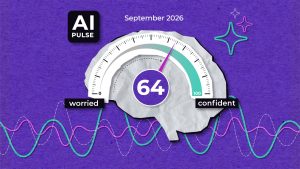
But how do business leaders actually feel about introducing AI into their operations? Expleo’s own AI Pulse research points to mixed results. Just this month, almost half (46%) of Irish business leaders said they were concerned about how AI is transforming their organisation. And yet the research also captures their enthusiasm. The majority (71%) are excited about the opportunities AI brings. In other words, the appetite is there, but so is the apprehension.
While the technology to deliver projects on time and on budget, with far less manual effort, already exists, what is less certain is whether organisations will actually use it. The culture of fear surrounding AI has caused many organisations to take pause. Has my business invested too much already, or have we not invested enough? Will it deliver in practice what it promises on paper? Will we be able to show the board a meaningful return on investment?
Building confidence and trust
What feeds the fear is largely the noise surrounding AI: the hype, the headlines and the constant predictions of disruption. What many leaders lack is the confidence to act on it safely. The way to ease this culture of fear is to show people what AI does for them, not what it does to them.
An AI PMO works off of this principle. It doesn’t replace project managers; it simply takes on the administrative work so they can do their jobs more effectively. The fear may also be louder than it is widespread. According to this month’s AI Pulse, 60% of business leaders in Ireland are not worried about AI’s impact on their job, compared with 39% who are. Leaders who take these concerns seriously, rather than dismissing them, will be best placed to build the trust that adoption so depends on.
But trust also is about knowing who is accountable, which is why strong governance and robust guardrails are essential to any transformation efforts. An AI PMO addresses this by design. It works within an organisation’s own governance processes, keeps clear ownership of every risk and action and leaves decisions with the people accountable for them. In turn, project managers are freed from the administrative burden and given back time for the work that truly matters.
How an AI PMO works in practice
At Expleo, our AI PMO takes on the three most time-consuming parts of the job: informing, monitoring and reporting. A knowledge agent finds and recommends the right information at the right time, drawing on the organisation’s own lessons learned and past project experience so teams don’t start from scratch or repeat old mistakes. A delivery agent monitors progress, flags risks, tracks actions and nudges owners to follow up, preventing any issues from holding up projects. A reporting agent compiles the status reports, including the weekly update, ensuring project managers spend their time acting on the information rather than assembling it. Because every organisation’s governance processes, data and integrations are different, our AI PMO is tailored to each client and learns from their data, which is why it can deliver efficiency gains of up to 30% when implemented as designed.
Moving from fear to delivery
I have seen first-hand how much of a project manager’s week goes into chasing updates and assembling reports. Fear of AI is understandable and a reasonable starting point, but it is not the place to stay. Those who take the first step will give their project managers back the time to do what they were hired for: managing projects. The reward is fewer surprises and more projects that actually deliver what was promised.
This article first appeared in Business & Finance | Ireland’s leading business media group