

The AI market shows no signs of slowing down. Investment continues to rise year after year. Companies and investors are betting big on its transformative potential. Yet, amid the excitement, there are growing murmurs of caution.
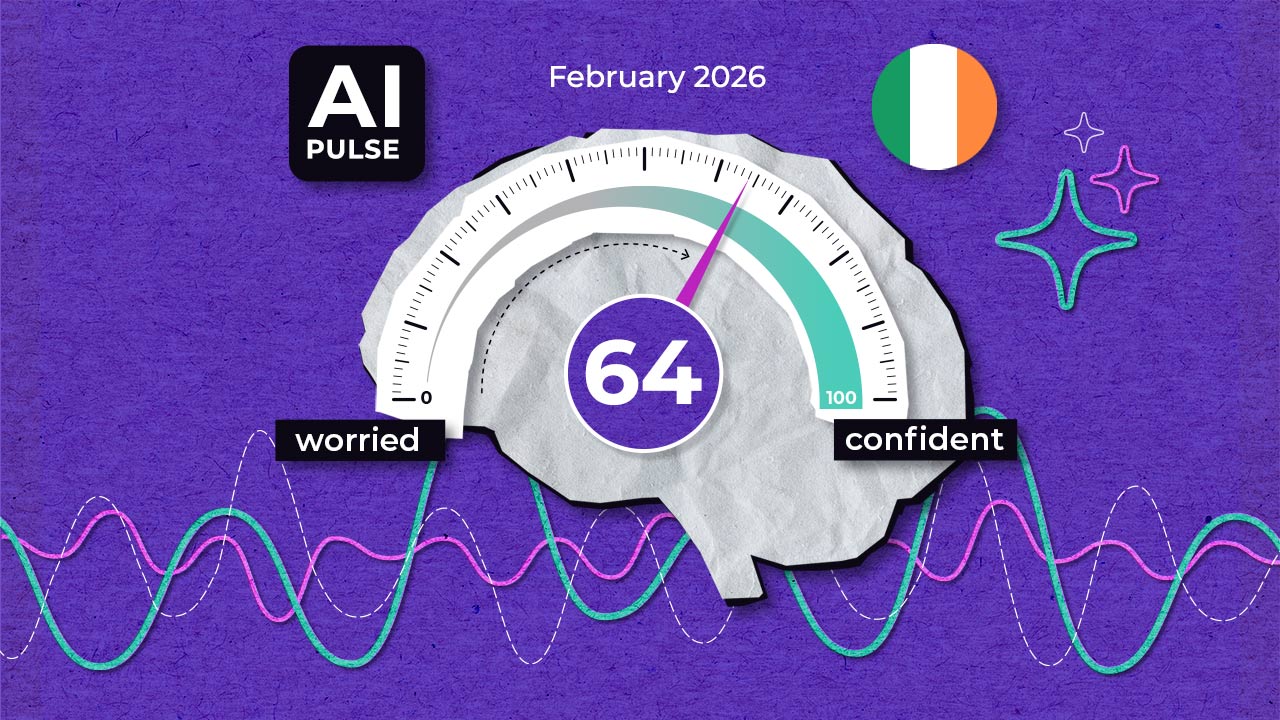
Our latest Expleo AI Pulse captures that duality perfectly. Businesses remain confident in AI’s potential, scoring 69 out of 100 in our confidence index (up one point since August). However, 49% also believe we’re living in an AI bubble.
So, should we be worried?
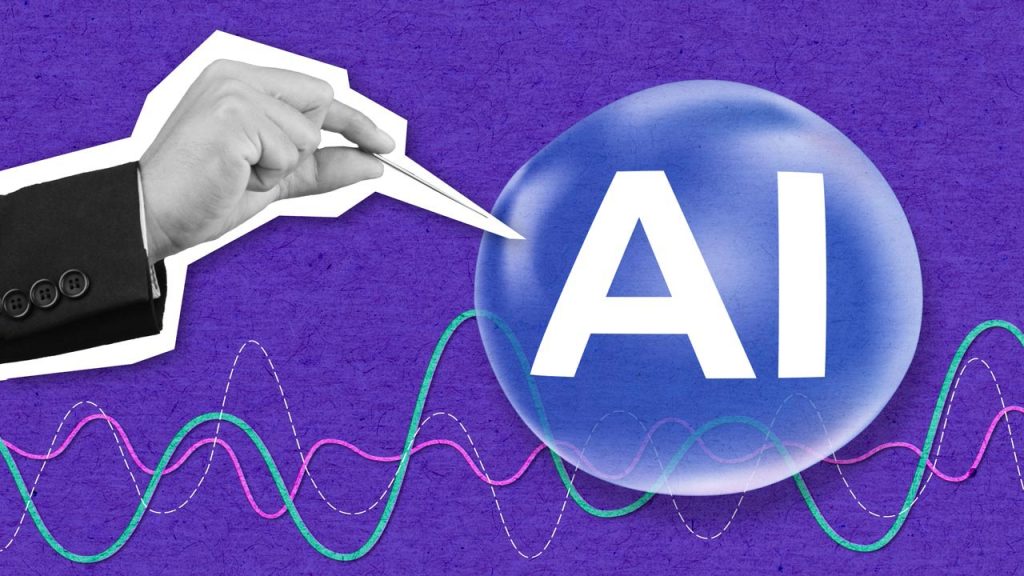
To answer that, let’s talk about tulips and the internet.
In 1636, the Netherlands, then an economic powerhouse, was gripped by Tulip Mania. A speculative frenzy saw the price of tulip bulbs soar to the equivalent of a luxury Amsterdam townhouse, worth hundreds of thousands of dollars in today’s money. By early 1637, prices crashed rapidly, and within weeks, the market had collapsed. Nearly 400 years later, you can buy a bag of tulip bulbs for just a few euros. It remains one of history’s earliest and most infamous financial bubbles.
Fast forward to the 1990s and the dot-com boom. Companies with little more than a catchy domain name attracted millions in funding. The hype was electric, markets soared, and then it all came crashing down. Yet unlike the tulip bubble, this one left behind something extraordinary. Out of the rubble emerged Google, Amazon, and much of the digital infrastructure that supports modern life.
The lesson? Not all bubbles are created equal. Some burst and vanish. Others explode into something transformative – a bold and slightly messy beginning of something big and quite wonderful.
Yes, we may see corrections ahead. Valuations could dip. Overhyped ventures might fade. But that’s not collapse. It’s consolidation. The AI landscape is maturing, shifting from speculative excitement to strategic integration.
Much like the internet in the early 2000s, AI is moving from promise to infrastructure.
The froth may settle, but beneath it runs a powerful current of innovation. The companies that endure this phase will be the ones solving real problems, building scalable platforms, and reshaping how we work, live, and create.
This isn’t the end of the AI story. It’s just the end of chapter one.