




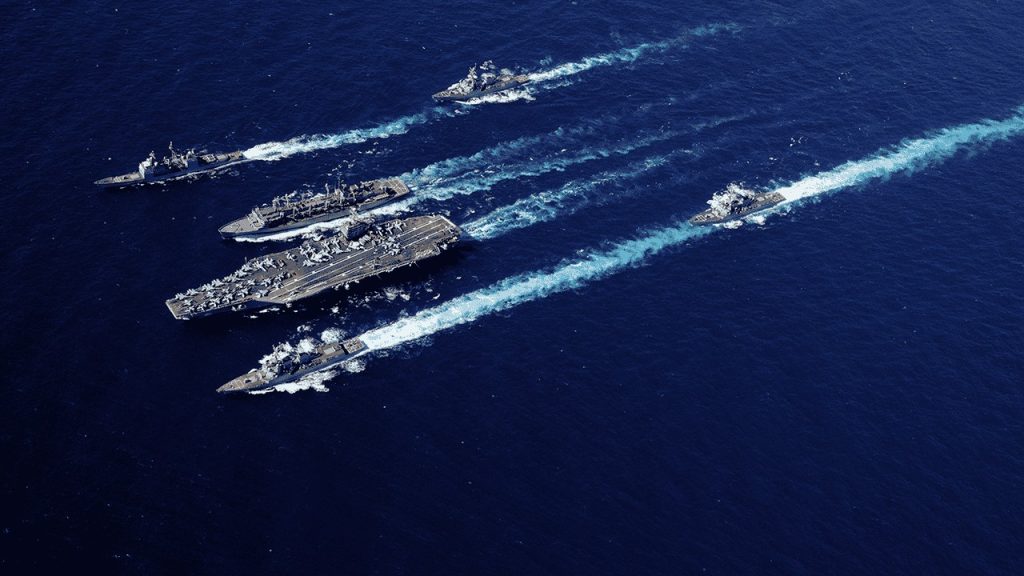
As naval forces evolve towards a hybrid navy model, combining crewed and autonomous capabilities, sustainment becomes a critical determinant of operational effectiveness. Maintenance, replenishment, recovery, software assurance, configuration management and capability regeneration cannot be an afterthought. They must be designed into the ecosystem from the outset.
Trusted by customers




Autonomous naval systems promise efficiency, but where do the costs really sit?
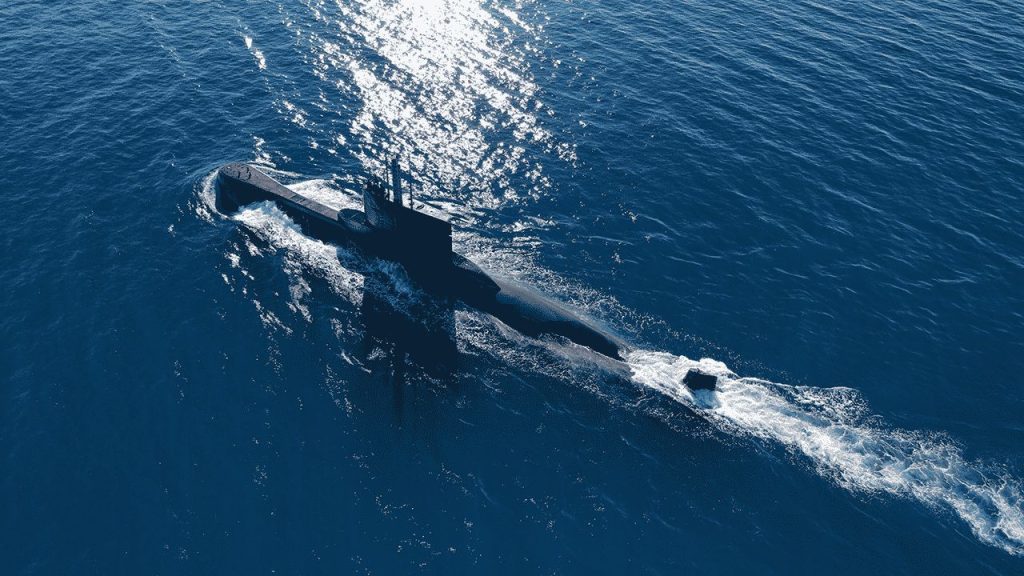
Explore expert insights on maritime autonomy, sustainment and operational availability in the future hybrid navy.
Services
Hybrid navy services
Creating and sustaining a hybrid navy requires the integration of autonomous systems, crewed platforms, digital technologies and resilient support architectures. Expleo helps defence organisations design, integrate, assure and sustain future maritime capabilities across the full lifecycle.
Creating a sustainable hybrid navy starts with understanding operational, supportability and sustainment requirements from the outset. Expleo helps defence organisations define requirements for autonomous and crewed platforms, ensuring support concepts, availability targets and operational needs are integrated throughout the programme lifecycle.
How we help:
- Sustainment and supportability requirements definition
- Operational concept development
- Through-life engineering requirements
- Availability and maintainability analysis
- Requirements verification and validation
Hybrid navy success depends on the seamless integration of crewed vessels, autonomous systems, sensors, communications and digital support networks. Expleo supports the harmonisation of complex maritime capability ecosystems to ensure operational effectiveness and resilience.
How we help:
- Integration of autonomous and crewed systems
- Multi-domain platform interoperability
- Digital architecture integration
- Complex systems assurance
- End-to-end capability integration
As support requirements evolve, navies must assess whether existing vessels can sustain future autonomous fleets or whether new support vessel concepts are required. Expleo supports feasibility studies, vessel identification and design development for future maritime support solutions.
How we help:
- Support vessel concept development
- Feasibility and trade-off studies
- Candidate vessel assessment
- Design lifecycle development
- Verification and certification support
The hybrid navy will rely on digital technologies to manage platform health, software assurance, configuration control and capability availability across distributed fleets. Expleo applies digital engineering approaches to improve decision-making and sustainment performance.
How we help:
- Digital engineering frameworks
- Digital twins and modelling
- Asset performance management
- Software lifecycle management
- Configuration management
From prototype demonstration through operational deployment, autonomous maritime systems require rigorous testing and assurance. Expleo supports trial programmes and acceptance activities to ensure readiness and operational confidence.
How we help:
- Test strategy development
- Systems verification and validation
- Harbour and sea trials support
- Operational acceptance testing
- Independent assurance
The challenge facing the hybrid navy is not simply generating fleet mass, but maximising available mass throughout a campaign. Expleo helps organisations develop sustainable support architectures that ensure autonomous capability remains operational when it matters most.
How we help:
- Sustainment strategy development
- Maintenance concept design
- Capability regeneration planning
- Availability modelling
- Supportability engineering
- Logistics and support solutions
Meet our experts


Frequently asked questions
A hybrid navy combines traditional crewed warships with autonomous surface, underwater and airborne systems to increase operational capability, persistence and flexibility across the maritime battlespace.
While autonomous technology continues to advance, maintaining operational availability remains a major challenge. Maintenance, recovery, software updates, sustainment and support infrastructure are all essential to long-term success.
Fleet mass refers to the total number of platforms a navy possesses, whereas available mass measures how many of those platforms are operational and ready to deliver combat effect when needed.
No. Future naval forces are expected to operate a mix of crewed and autonomous platforms, with each providing complementary capabilities as part of a hybrid navy force structure.
Organisations should develop sustainment, supportability and systems integration strategies alongside capability development to ensure autonomous systems remain effective and available throughout their lifecycle