


As autonomy scales, new measures of success are emerging
The race to adopt maritime autonomy is accelerating. Across NATO and allied navies, autonomous and uncrewed systems are being introduced to increase operational reach, persistence and flexibility. Uncrewed surface vessels, autonomous underwater vehicles and remotely piloted aircraft all promise to generate greater combat mass at a lower cost than traditional crewed platforms.
As these technologies mature, the conversation is naturally expanding beyond platform acquisition and performance. Alongside questions about capability, range and endurance, defence organisations are increasingly exploring how autonomous fleets can be sustained effectively throughout extended operations.
This is where the concepts of fleet mass and available mass become increasingly relevant. Expleo’s research suggests that future combat power will be influenced not only by the number of autonomous platforms a force possesses, but also by its ability to sustain operational availability over time.
Understanding fleet mass and available mass
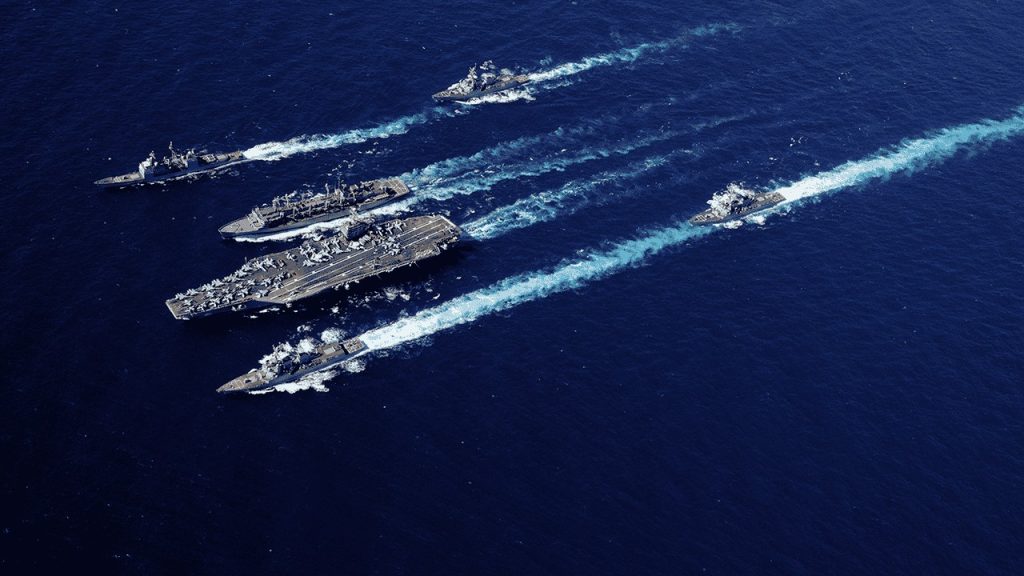
Fleet mass refers to the total number of platforms within a force structure. As autonomous systems become more affordable and scalable, increasing fleet mass offers exciting opportunities to expand capability, distribute sensors more widely and provide commanders with greater operational choice.
However, operational advantage depends on more than numbers alone.
Available mass represents the proportion of a fleet that can generate operational effect at any given time. It focuses attention on readiness, availability and endurance throughout an operation. As highlighted within our hybrid navy research, maintaining available mass may become just as important as generating fleet mass in the first place. Understanding this balance requires organisations to consider supportability and operability alongside capability development from the outset.
Why sustainment is becoming a strategic consideration
For decades, naval support models have evolved around crewed vessels. Maintenance expertise travelled with the platform, replenishment ships delivered support and shore facilities provided deeper repair capability.
Autonomous systems introduce new possibilities, but they also create new considerations for how support is delivered. Human intervention becomes more distributed, while maintenance increasingly relies on remote diagnostics, digital connectivity and carefully designed support networks.
As autonomous fleets grow, defence organisations have an opportunity to rethink how logistics, maintenance, software updates, recovery and regeneration activities are delivered. This is driving increased interest in sustainment models that can preserve operational effectiveness across large and geographically dispersed fleets.
Balancing fleet growth with operational availability
The rapid growth of maritime autonomy presents exciting opportunities for future force design. At the same time, it highlights the importance of ensuring that support architectures evolve alongside platform capability.
Every autonomous system will require some combination of maintenance, software support, logistics and recovery arrangements throughout its lifecycle. As fleets expand, maintaining operational availability becomes a key part of unlocking the full value of those systems. Expleo supports clients in these areas through requirements elicitation, supportability analysis and lifecycle engineering expertise .
This is where available mass provides a useful lens. Rather than focusing solely on how many platforms exist within a force, it encourages consideration of how many remain capable of contributing to the mission over time.
The support architecture behind available mass
Expleo’s research highlights that sustaining available mass requires more than reliable platforms alone. It depends on a broader ecosystem encompassing platform self-sufficiency, deployed support capabilities, logistics networks, industrial partnerships and strategic governance.
Together, these considerations emphasise that operational availability is shaped by a broader sustainment ecosystem. Success depends not only on the performance of individual platforms, but on the ability to maintain, support and regenerate capability throughout an operation.
This approach reflects a broader shift in thinking. Sustainment is no longer viewed solely as a supporting activity. Increasingly, it is becoming a key enabler of operational effectiveness and long-term mission success.
Endurance will be key to future maritime operations
The maritime sector has seen significant progress in autonomous capability over recent years. Demonstrations have shown what these technologies can achieve and have helped accelerate adoption across defence.
The next stage of the journey is understanding how those capabilities can be maintained over weeks, months and potentially years of operation.
Autonomy can get to sea, but long-term success depends on endurance. This emphasises the importance of understanding sustainment requirements early and developing the support models needed to keep autonomous capability operational and effective. Through its work in maritime autonomy, Expleo helps organisations define these requirements, assess support concepts and develop sustainable operating models for future capabilities.
Available mass may become a defining measure of naval power
The future of naval operations will undoubtedly be shaped by autonomy, artificial intelligence and digital connectivity. However, the ability to sustain those capabilities may prove equally important.
Future naval advantage is likely to depend on a combination of fleet mass and the ability to sustain available mass throughout an operation. This places supportability, operability and lifecycle thinking at the heart of future force development.
As navies continue to embrace autonomous technologies, available mass may become an increasingly valuable measure of operational effectiveness, helping defence organisations understand not only the size of a future fleet, but its ability to deliver enduring maritime advantage.
Expleo supports organisations across the capability lifecycle, from concept development and requirements definition through to systems integration, supportability and lifecycle engineering. Find out more here.
Frequently asked questions
Fleet mass refers to the total number of crewed and autonomous platforms within a naval force structure.
Available mass is the proportion of a fleet that is operational and capable of generating effect when required. It focuses on the availability of capability rather than the total number of platforms owned.
Available mass provides insight into how much operational capability a force can generate and sustain over time. As autonomous fleets grow, maintaining availability becomes an increasingly important consideration.
Autonomous systems still require maintenance, logistics support, software updates and recovery arrangements. Effective sustainment helps ensure those capabilities remain available, resilient and effective throughout operations.
Improving available mass requires a focus on availability as well as capability. Factors such as supportability, maintenance planning, logistics, resilience and sustainment all contribute to ensuring platforms remain operational and effective over time.
Operational availability is influenced by many factors, including reliability, supportability, maintenance, logistics, resilience and sustainment planning. Together, these factors help determine how effectively capabilities can be maintained over time.
Expleo supports organisations in understanding and addressing the sustainment, supportability and operability challenges associated with future maritime capabilities. Our expertise spans requirements elicitation, sustainment modelling, systems integration, concept development and lifecycle engineering, helping organisations develop capabilities that remain operationally effective throughout their service life.
Contact us to explore our services and solutions
After completing the form one of our experts will get in contact with you as soon as possible.